
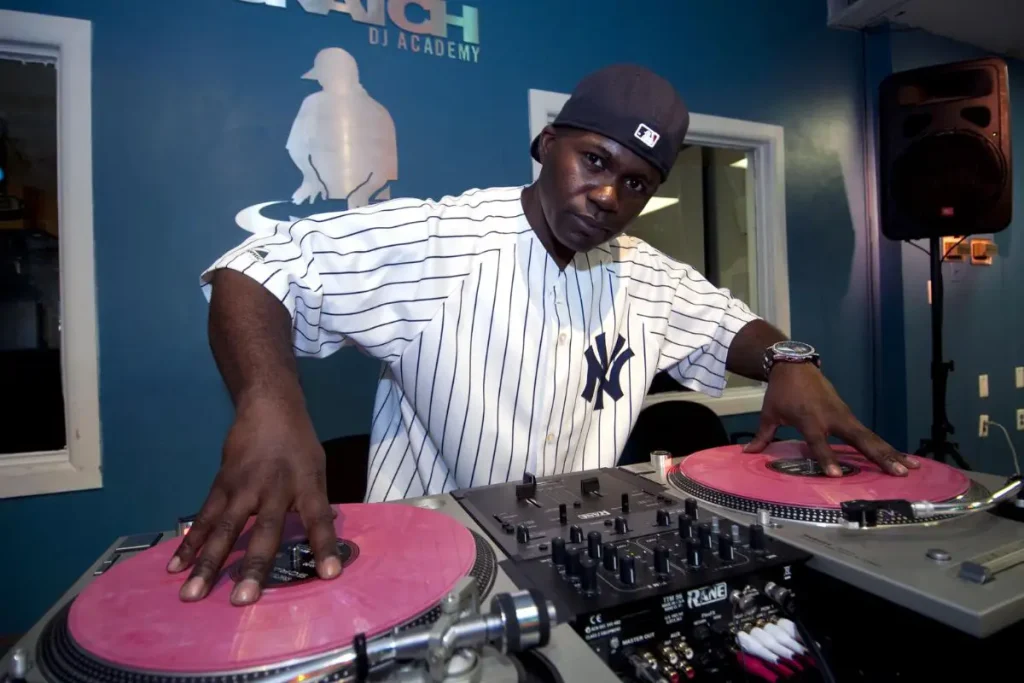
Le scratch ! Cette technique, que l’on pourrait traduire par « grattage » en français, a été popularisée par les DJ hip-hop dans les années 1970 et 80. Elle consiste à manipuler manuellement un disque sur une platine pour créer des effets sonores uniques. Le scratch permet aussi de mixer 2 morceaux et d’ajouter de la dynamique à certains mix.
L’histoire du scratch
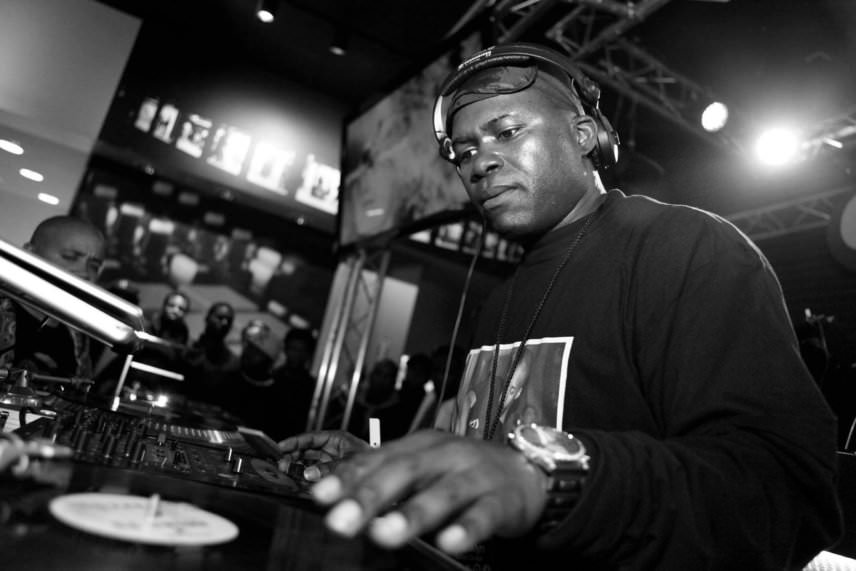
La légende raconte que Grand Wizzard Theodore, en 1975, alors qu’il mixait dans sa chambre sur le morceau “Apache”, a été interrompu par sa mère furieuse du volume sonore. En posant sa main sur le disque pour stopper la musique, il l’a accidentellement déplacé d’avant en arrière, produisant un bruit très original. Grand Wizzard Theodore a ensuite perfectionné cette technique et l’a reproduite en live lors de soirées.
Le scratch, révolutionnaire à l’époque, est devenu un art à part entière, au même titre que les premiers pas de danse hip-hop. Au fil du temps, le scratch est devenu de plus en plus complexe et sophistiqué grâce à des innovateurs comme Grandmaster Flash. Il a introduit le crossfader pour mélanger les sons de deux platines différentes et ajouté de la feutrine sous les vinyles pour faciliter le scratch, là où les anciens tapis en caoutchouc rendaient cette technique impossible.
Évolution et impact
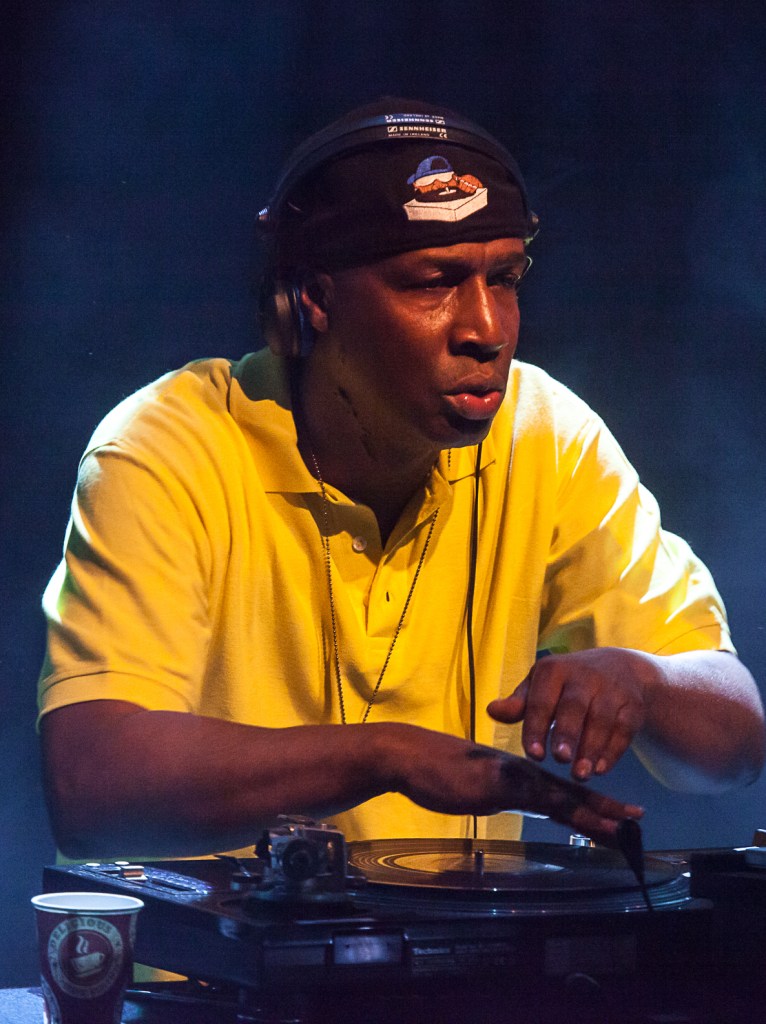
Pour faciliter le scratch, certains DJ ont fait preuve de grande créativité : découpe des rideaux de leur mère, utilisation de sacs plastiques ou d’emballages de céréales, voire ajout de talc pour bébé pour une meilleure glisse. À l’époque des vinyles, certains versaient même de la vodka ou du gel sur leurs disques pour en restaurer la surface usée. Le premier morceau populaire de scratch est « The Adventures of the Wheels of Steel » de Grandmaster Flash, sorti en 1981. Mais le titre qui a vraiment fait découvrir le scratch au grand public est « Rock It » d’Herbie Hancock en 1983, avec les scratchs de Grand Mixer DXT, notamment lors de leur performance aux Grammy Awards en 1984. Pour scratcher, Grand Mixer DXT a utilisé la phrase « Aaaah, this stuff is really fresh » du maxi « Change the Beat » de Fab Five Freddy. Cette phrase est devenue la plus utilisée par les DJ, faisant de ce disque le plus samplé de l’histoire avec plus de 2 600 utilisations.
Une histoire incroyable

L’histoire de ce morceau commence en France. En 1982, Bernard Zekri, journaliste à Actuel vivant à New York, a proposé à Alain Maneval d’Europe 1 de créer un « New York City Rap Tour ». Pour financer ce projet, Zekri a collaboré avec le label français AZ. Il a produit des singles à New York avec le producteur Bill Laswell, dont « Change the Beat« . La phrase mythique « Ahhhhh, this stuff is really fresh » a été enregistrée par la petite amie de Zekri via un vocoder, imitant un dirigeant de maison de disques. Cette blague a changé le hip-hop et le DJing à jamais.
Le scratch comme art

Le morceau Rock It a prouvé que les platines sont un instrument de musique à part entière. Pour la première fois, un DJ était considéré comme un musicien, notamment aux côtés d’une légende comme Herbie Hancock. Le succès de ce morceau a été tel qu’Herbie Hancock a invité Grand Mixer DXT à l’accompagner en tournée.
En France, beaucoup découvrent le scratch grâce à Sidney. En 1984, l’émission H.I.P.H.O.P. a pris d’assaut les ondes de TF1, s’immisçant dans les foyers tous les dimanches juste après Starsky et Hutch. L’émission avait une forte orientation danse, mais accueillait également des invités de renom tels que Madonna, Manu Dibango et bien sur Herbie Hancock. Aux commandes des platines se trouvait Franck 2 Louise, surnommé « le Scratcheur fou », qui faisait également partie du groupe de danse de l’émission, les Paris City Breakers, formé par Sidney avec Scalp et Solo.
Le scratch aujourd’hui
Un autre morceau qui a popularisé le scratch est « Buffalo Gals » de Malcolm McLaren, inspiré par une block party d’Afrika Bambaataa. La phrase « Boy that scratchin is makin’ me itch » est devenue emblématique.
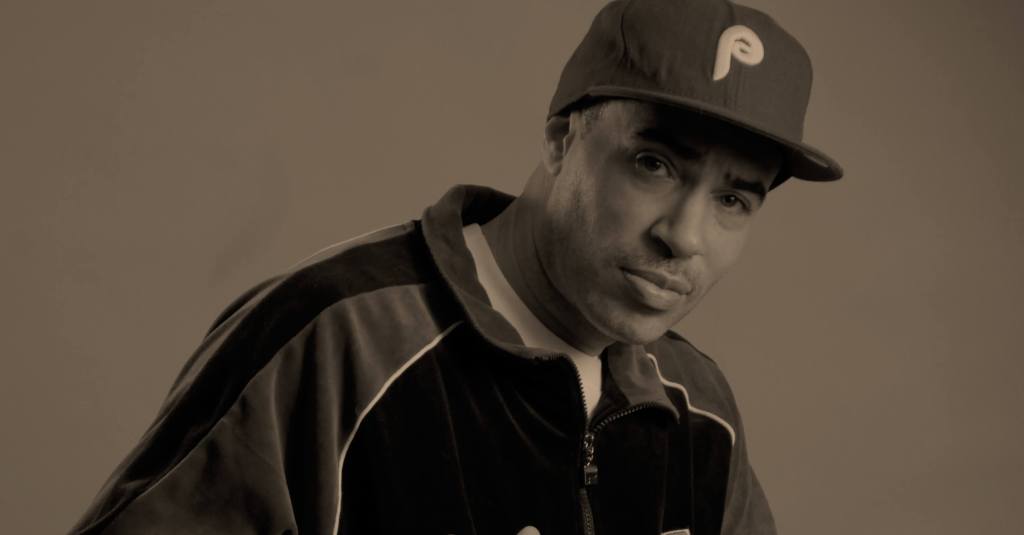
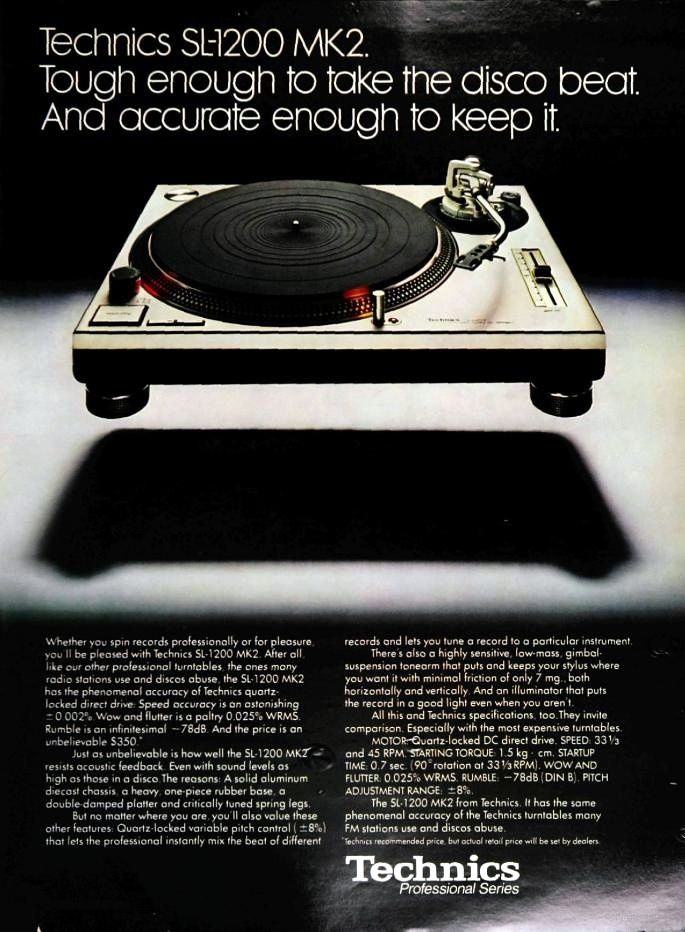
Les décennies suivantes ont vu émerger des scratcheurs légendaires comme Cash Money, Jazzy Jeff, Qbert, Mix Master Mike, Roc Raida et DJ Scratch. Le matériel a évolué, repoussant les limites du scratch. DJ Babu a même initié le terme « turntablism » au milieu des années 1990.
Le scratch est un langage à apprendre. Pour beaucoup, il devient une obsession, une drogue qui les pousse à s’entraîner sans relâche. En France, à la fin des années 1990, le scratch a explosé : tout le monde voulait faire des « flares ». Des compétitions comme le DMC France remplissaient des salles, et des salons comme Siel ou Mixmove voyaient émerger des talents. À cette époque, il était même possible de prendre des cours de scratch.
Le scratch, c’est plus qu’une technique : c’est une révolution musicale qui continue d’inspirer et de dynamiser la culture hip-hop à travers le monde.
Dirty Swift
Scratching! This technique, which could be translated as « scraping » in French, was popularized by hip-hop DJs in the 1970s and 80s. It involves manually manipulating a record on a turntable to create unique sound effects. Scratching also allows for mixing two tracks and adding dynamics to certain mixes.
The History of Scratch
The legend has it that Grand Wizzard Theodore, in 1975, while mixing in his room to the track “Apache,” was interrupted by his mother furious about the volume. By placing his hand on the record to stop the music, he accidentally moved it back and forth, producing a very original sound. Grand Wizzard Theodore later perfected this technique and performed it live at parties.
Scratching, revolutionary at the time, has become an art form in its own right, just like the early steps of hip-hop dance. Over time, scratching has become increasingly complex and sophisticated, thanks to innovators like Grandmaster Flash. He introduced the crossfader to mix sounds from two different turntables and added felt under the vinyl records to facilitate scratching, where older rubber mats made this technique impossible.
Evolution and Impact
To facilitate scratching, some DJs have shown great creativity: cutting up their mother’s curtains, using plastic bags or cereal packaging, and even adding baby talc for better glide. In the era of vinyl, some even poured vodka or gel on their records to restore the worn surface. The first popular scratching track is « The Adventures of the Wheels of Steel » by Grandmaster Flash, released in 1981. However, the title that truly introduced scratching to the general public is « Rock It » by Herbie Hancock in 1983, featuring scratching by Grand Mixer DXT, particularly during their performance at the Grammy Awards in 1984. To scratch, Grand Mixer DXT used the phrase « Aaaah, this stuff is really fresh » from the single « Change the Beat » by Fab Five Freddy. This phrase became the most used by DJs, making this record the most sampled in history with over 2,600 uses.
An incredible story
The story of this track begins in France. In 1982, Bernard Zekri, a journalist for Actuel living in New York proposed to Alain Maneval of Europe 1 to create a « New York City Rap Tour. » To finance this project, Zekri collaborated with the French label AZ. He produced singles in New York with producer Bill Laswell, including « Change the Beat. » The legendary phrase « Ahhhhh, this stuff is really fresh » was recorded by Zekri‘s girlfriend using a vocoder, mimicking a record label executive. This joke changed hip-hop and DJing forever.
Scratching as art
The track Rock It proved that turntables are a musical instrument in their own right. For the first time, a DJ was considered a musician, especially alongside a legend like Herbie Hancock. The success of this track was so great that Herbie Hancock invited Grand Mixer DXT to join him on tour.
In France, many discover scratching thanks to Sidney. In 1984, the show H.I.P.H.O.P. took over the airwaves of TF1, entering homes every Sunday just after Starsky and Hutch. The show had a strong dance orientation but also featured renowned guests such as Madonna, Manu Dibango, and of course Herbie Hancock. At the turntables was Franck 2 Louise, nicknamed « the Crazy Scratcher, » who was also part of the show’s dance group, the Paris City Breakers, formed by Sidney with Scalp and Solo.
The scratch today
Another piece that popularized scratching is « Buffalo Gals » by Malcolm McLaren, inspired by a block party from Afrika Bambaataa. The phrase « Boy that scratchin is makin’ me itch » became iconic.
The following decades saw the emergence of legendary scratchers like Cash Money, Jazzy Jeff, Qbert, Mix Master Mike, Roc Raida and DJ Scratch. The equipment evolved, pushing the limits of scratching. DJ Babu even coined the term « turntablism » in the mid-1990s.
Scratch is a language to learn. For many, it becomes an obsession, a drug that pushes them to practice relentlessly. In France, at the end of the 1990s, scratch exploded: everyone wanted to do « flares. » Competitions like the DMC France filled venues, and events like Siel or Mixmove saw the emergence of talent. At that time, it was even possible to take scratch lessons.
Scratching is more than just a technique: it’s a musical revolution that continues to inspire and energize hip-hop culture around the world.
En savoir plus sur SKUUURT
Subscribe to get the latest posts sent to your email.
Ping : DMC : L’Essence de la Compétition DJ dans la Culture Hip-Hop – Sans Esquives